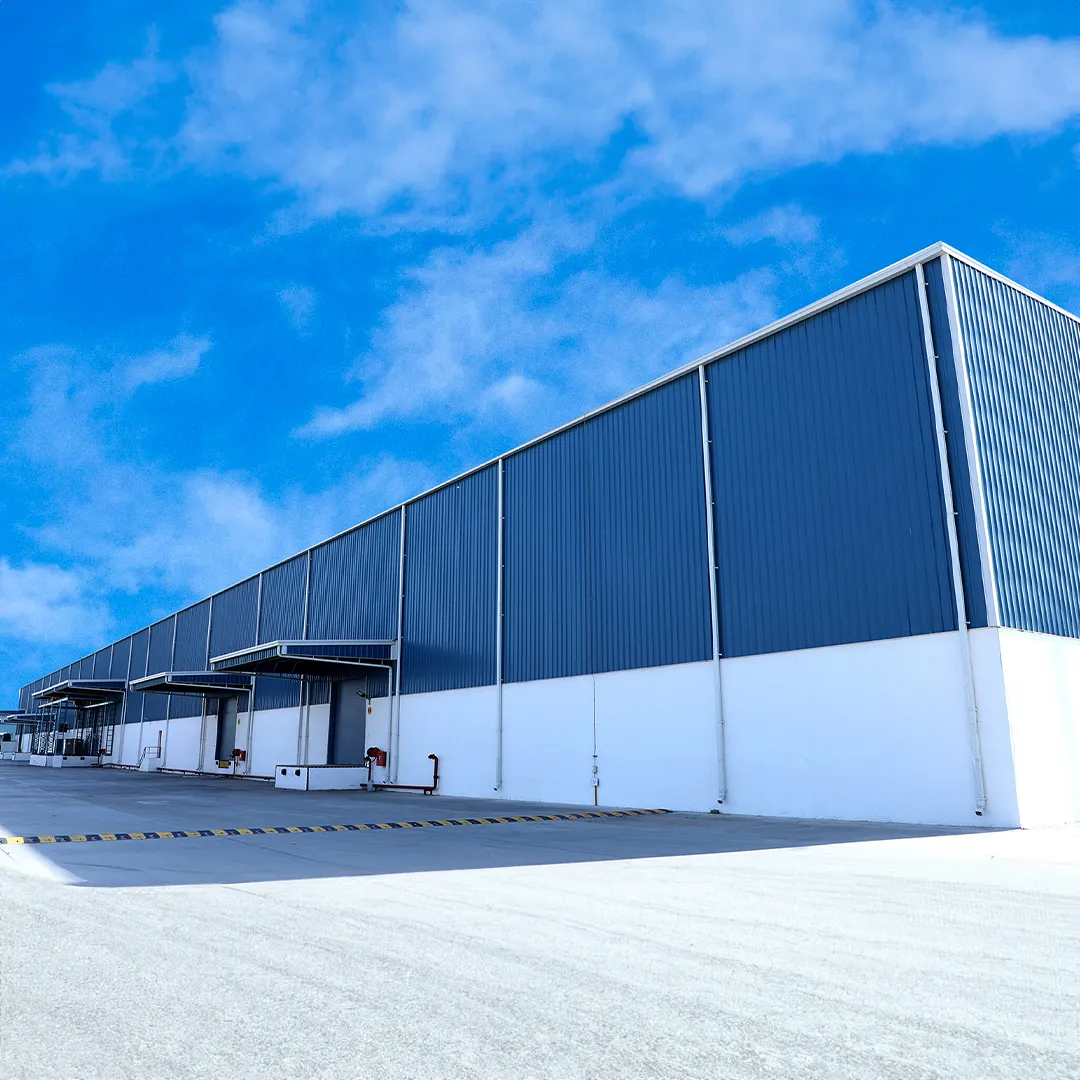
South India throws a unique challenge at buildings. High temperatures for most of the year, seasonal humidity, coastal salinity in many regions, and heavy monsoon spells mean the structure has to stay durable, cost-effective, and easy to maintain. That’s where the comparison between Pre-Engineered Buildings (PEB) and Reinforced Cement Concrete (RCC) becomes important.
Let’s break down how both perform when placed under South Indian conditions.
Weather Resistance
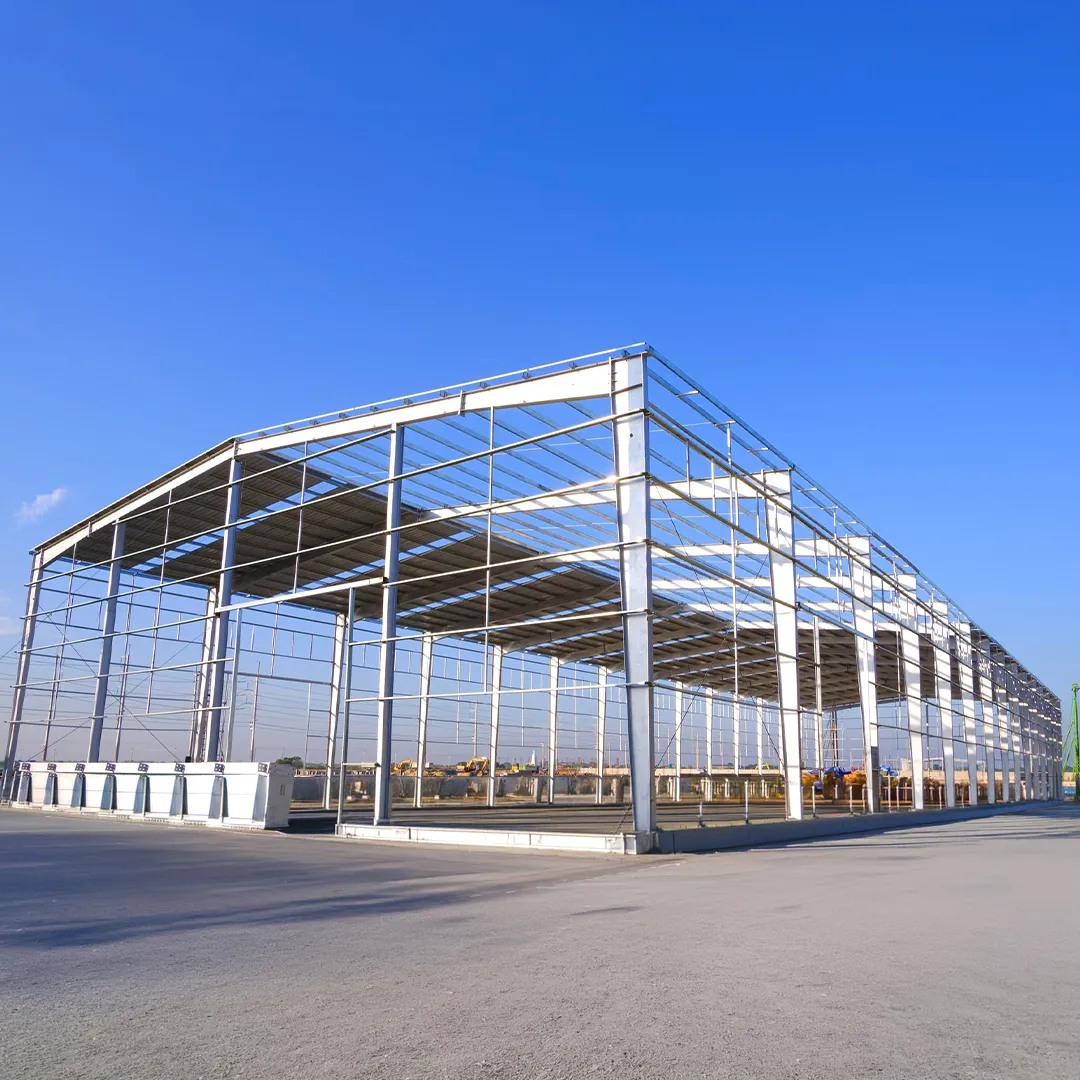
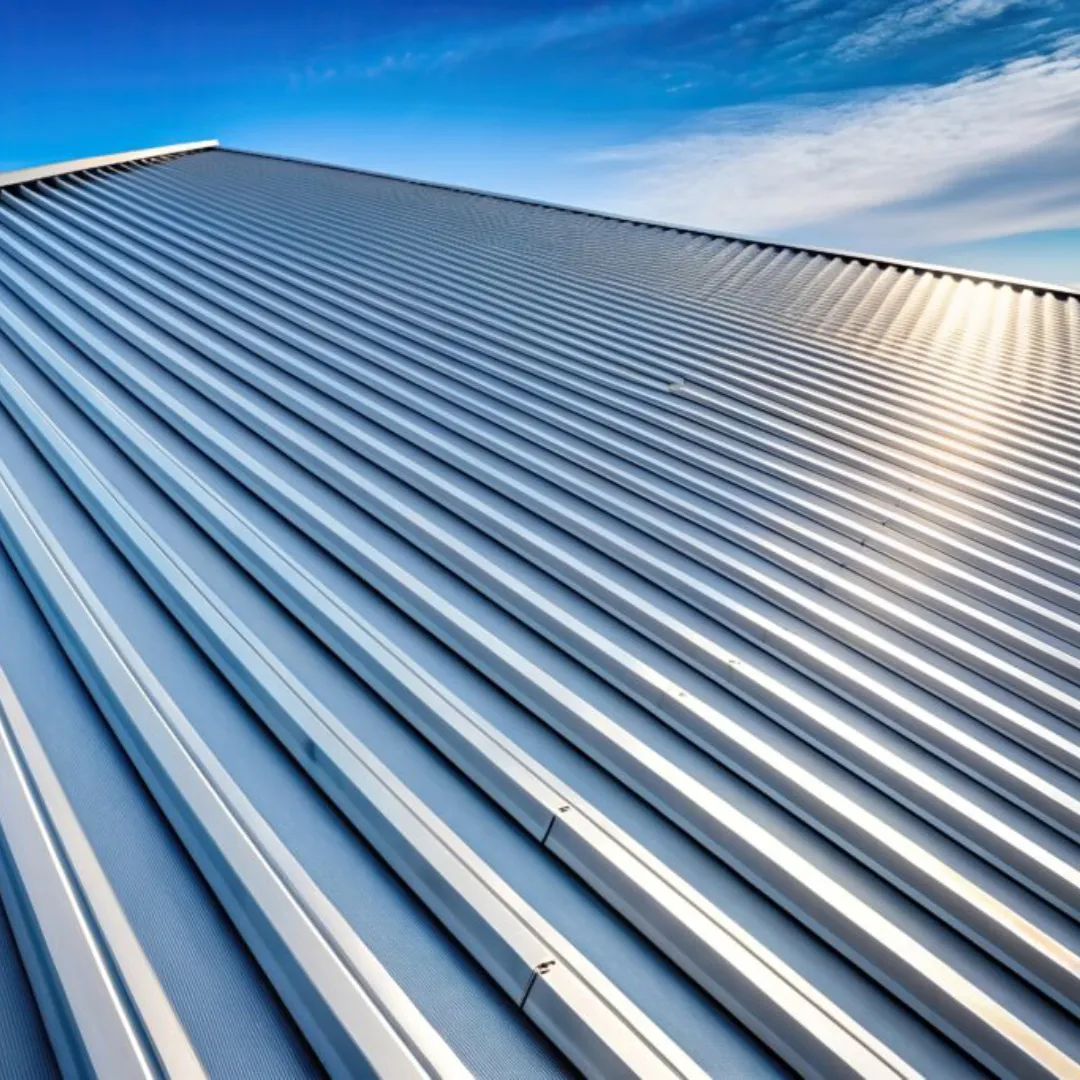
PEB structures are designed using high-quality steel and factory-controlled fabrication. They expand and contract better under temperature changes, making them more stable during long summers. RCC construction has mass and thermal inertia, but it tends to trap heat inside, leading to higher indoor temperatures unless reinforced with insulation systems.
Speed of Construction
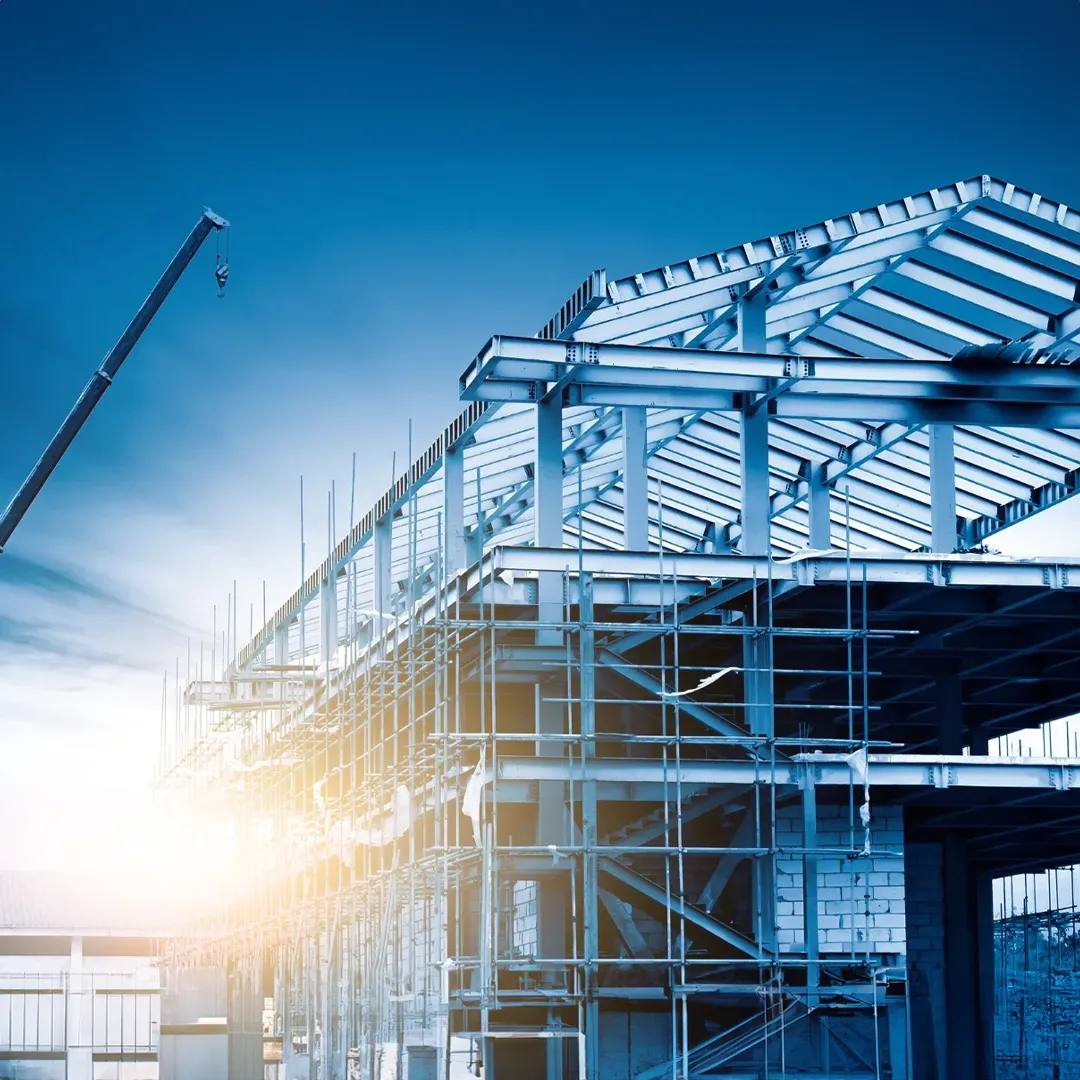
Time matters. PEB structures can be completed in 30 to 50 percent less time because manufacturing happens off-site and erection on-site is fast. RCC buildings require manual step-by-step construction with curing, formwork, and labor dependency, which can stretch timelines.
Performance Near Coastal Areas
In Chennai, Mangalore, Kochi, Pondicherry, and coastal Karnataka, corrosion is a serious concern. Modern PEBs use galvanised or coated steel that performs well with regular maintenance. RCC structures also deteriorate faster in coastal climates when the reinforcement starts corroding, leading to spalling and expensive repairs.
Energy Efficiency
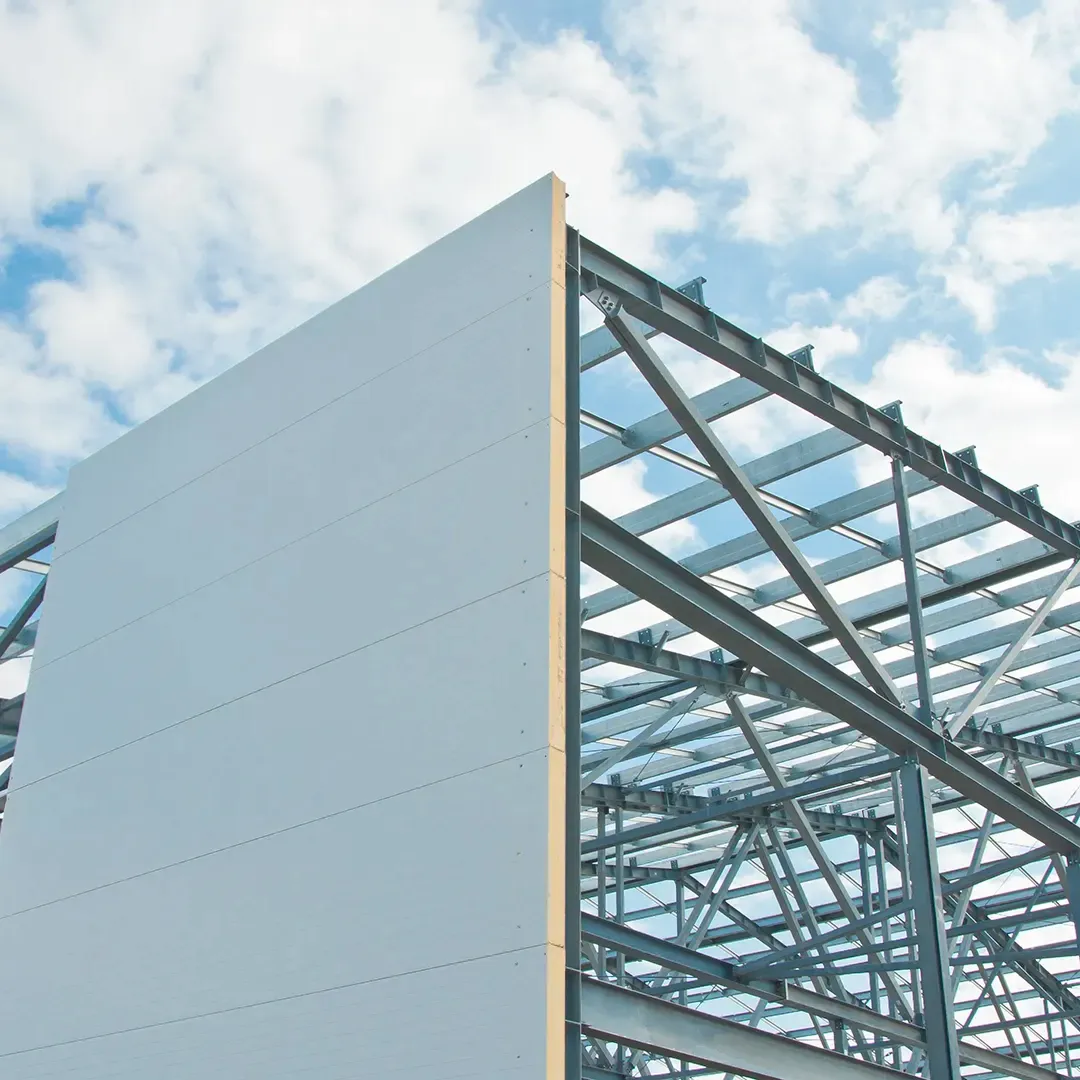
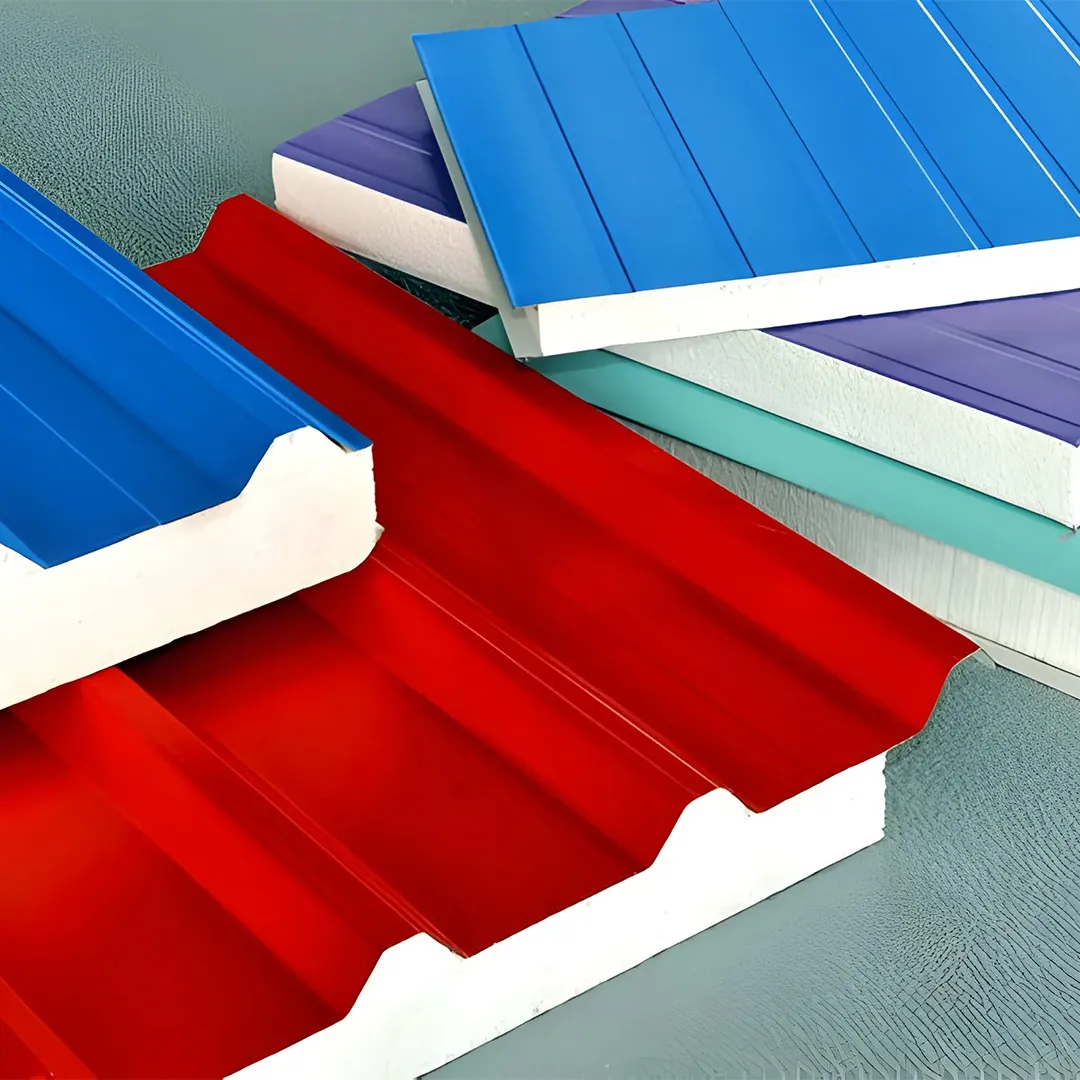
With proper insulation panels, PEBs can keep inside temperatures comfortable even in peak heat. RCC buildings require additional materials like false ceilings, plasterboard, or special insulation to achieve the same efficiency.
Cost and Maintenance
RCC usually has a lower starting price, but maintenance over the years becomes significant. PEBs may cost slightly more at the start but demand lower maintenance and offer higher long-term savings.
Final Verdict
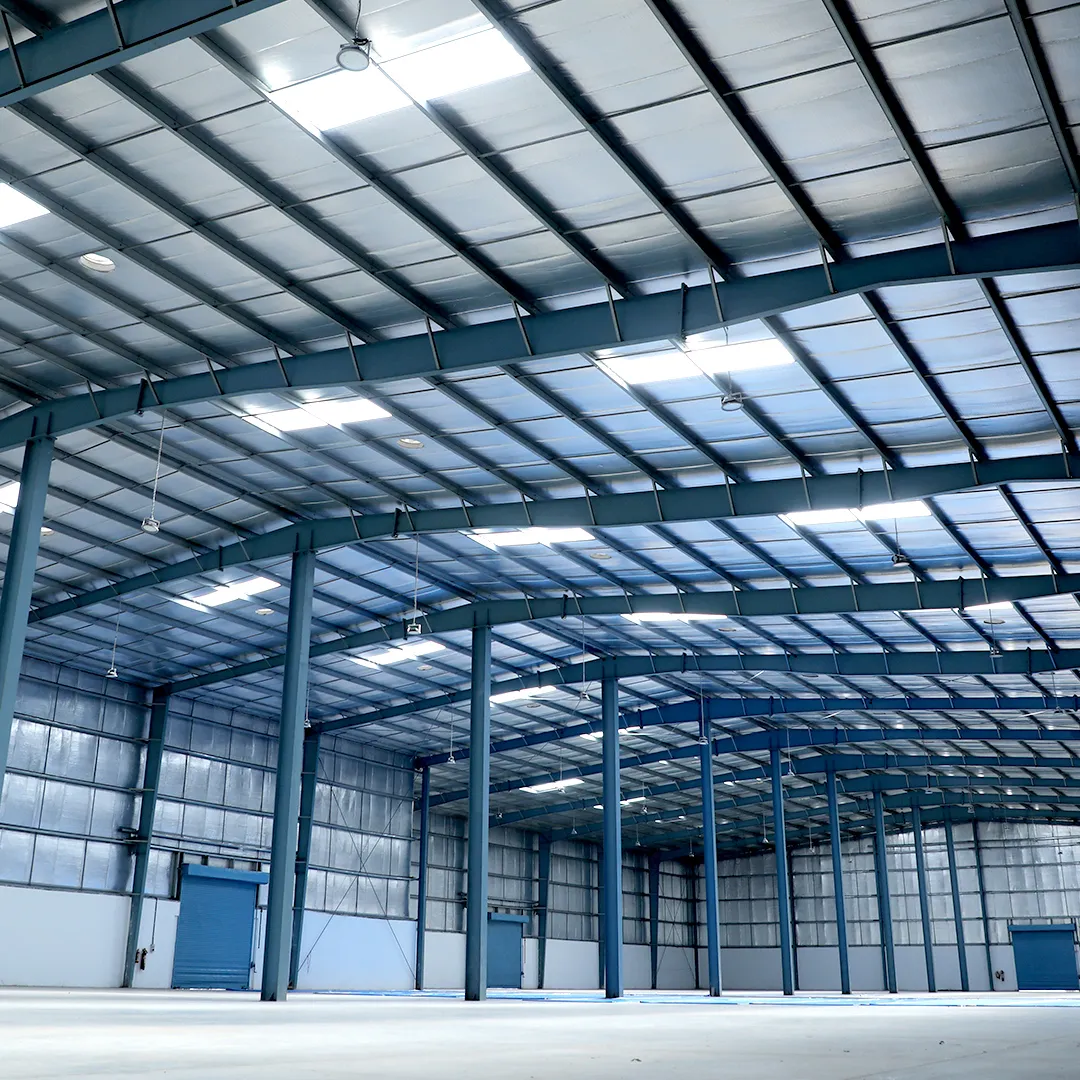
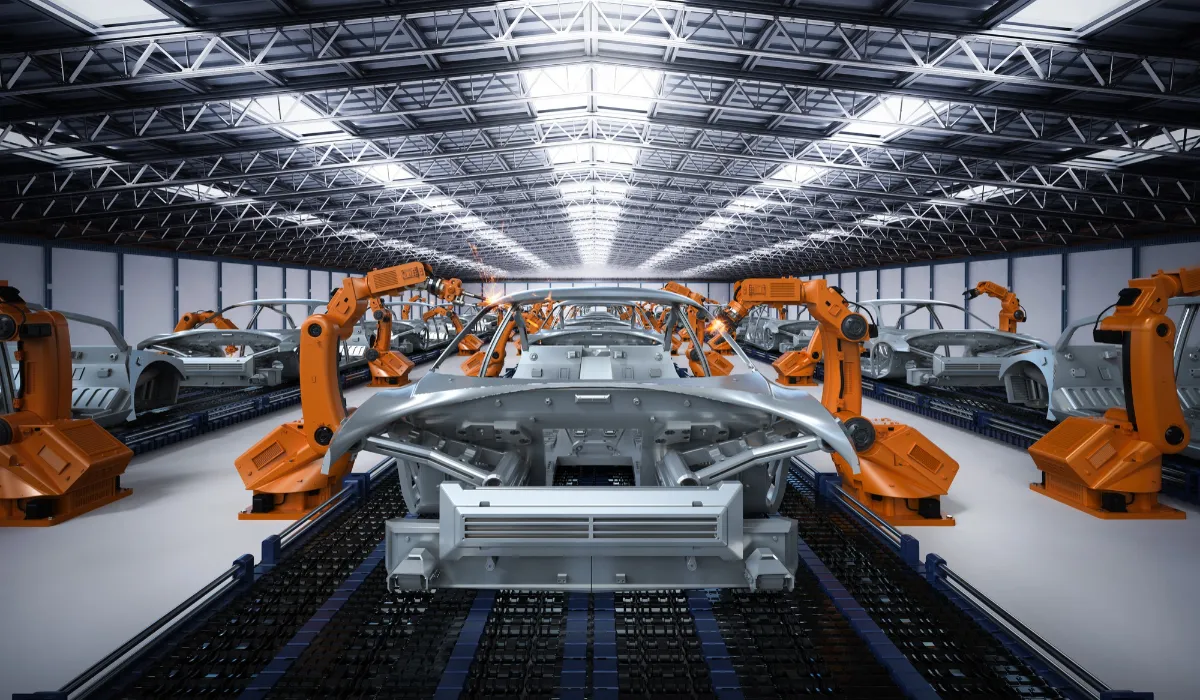
For South Indian weather, PEB structures generally offer better durability, faster construction, lower lifetime cost, and improved insulation flexibility. RCC still holds value for multi-floor structures and buildings where heavy civil mass is essential, but for warehouses, factories, logistics hubs, and industrial buildings, PEB often comes out ahead.